
On Liminal Space
Memory in the Age of Acceleration

In 2019, an anonymous 4chan user posted an image of an empty office glowing a sickly electric yellow. Its description read:
If you're not careful and you noclip out of reality in the wrong areas, you'll end up in the Backrooms, where it's nothing but the stink of old moist carpet, the madness of mono-yellow, the endless background noise of fluorescent lights at maximum hum-buzz, and approximately six hundred million square miles of randomly segmented empty, expired rooms to be trapped in…
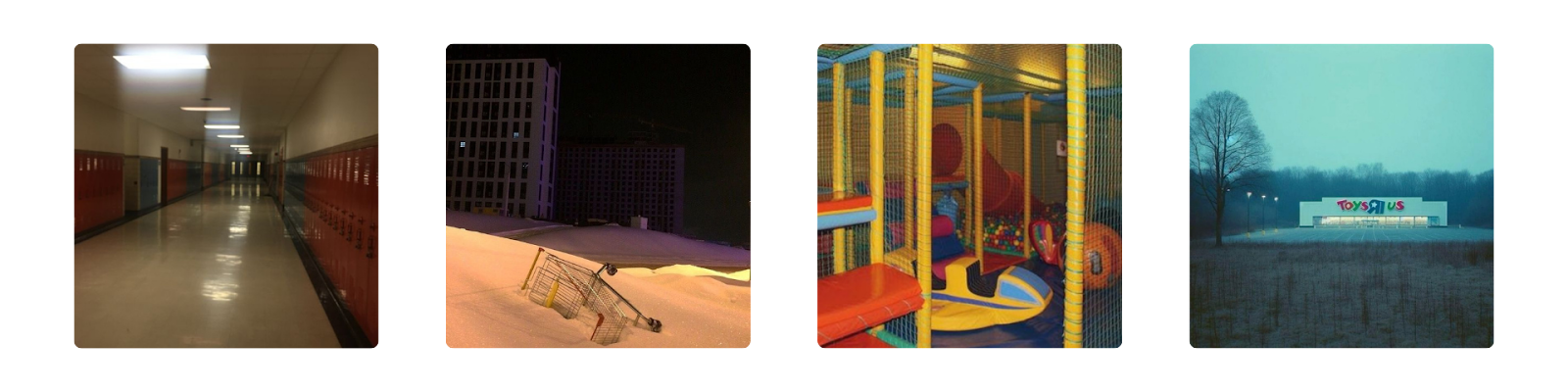
Since the appearance of this post, images of a similar character have surfaced across the Internet, evocative of the same paradoxical mixture of nostalgia and eerie dread, displaying locations (such as malls, play places, and living rooms) from the late 90s to the early 2000s, now empty and dark. Collectively, they have come to constitute an aesthetic called “liminal space,” one that has, since its niche beginnings, expanded to new online platforms, reached new audiences, and given birth to various pages across social media. But for those who don’t traffic these online locations, liminal space is still largely unknown.
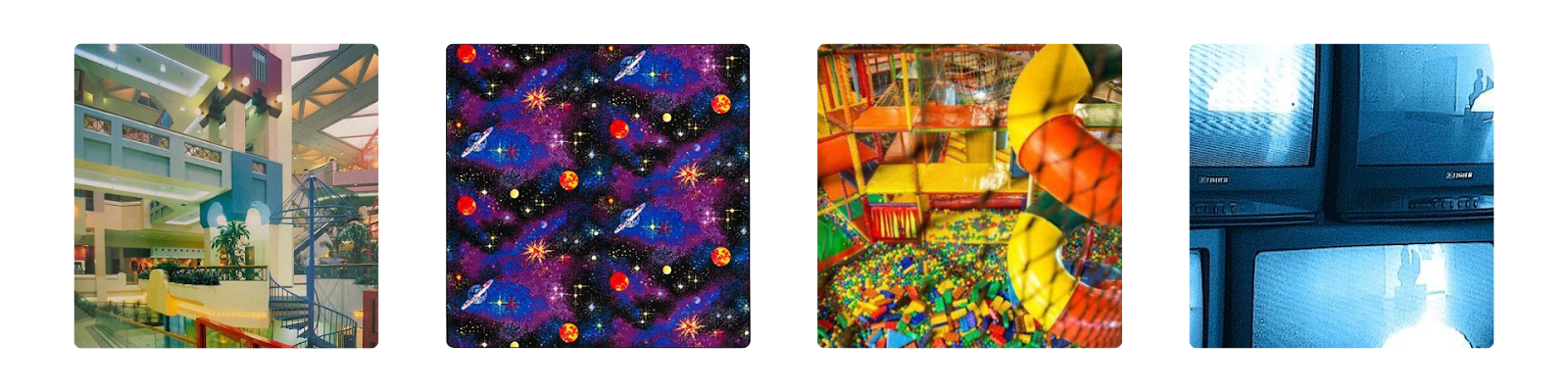
For want of a better source, we must resort to the definition found on its Fandom page to gain a preliminary understanding of what the term refers to:
“Liminal Space aesthetics revolve around pictures of transitional areas devoid of life, such as malls in the early morning, empty parking lots or a school hallway during summer. The appeal of liminal spaces is often assigned to their frozen and slightly unsettling appearance, but also the indefinite sense of familiarity they evoke. The depicted spaces often include late 20th and early 21th [sic] century architecture and furniture, linoleum tilings, ceiling tiles and cool-toned fluorescent lighting that creates a detached, unwelcoming and cold feeling, but the aesthetic has evolved to adapt to a multitude of settings and media formats.”1


To summarize this definition, liminal space typically involves distinctly recent but deceased locations of childhood and early adolescence (at least for Zoomers and Millennials): the malls, school hallways, playgrounds, and living rooms of the late 90s and early 2000s. But, instead of presenting these places as they were typically experienced during the past (i.e., populated and functional), it presents them as lifeless, devoid of human meaning or connection. In this way, the experience of liminal space is, at once, familiar and alien, comforting and haunting, homey and profoundly strange. Prior to the liminal space aesthetic, nostalgic images almost always presented an inhabited, ensouled, familiar past, a past that exclusively evoked feelings of comfort and wistful sadness. Liminality, on the other hand, is a bewildering, difficult-to-categorize experience: the images evoke feelings of comfort and peace, but also unease, eeriness, and sometimes aversion. Why, then, has this changed for a growing number of people? To put it more sociologically, what are the social conditions that make these dark and eerie liminal space images relevant and compelling windows into the past? What does the emergence and popularity of liminal space tell us about ourselves and our changing relationship with the past?
In this essay, we will explore the reasons for this aesthetic, beginning with the influence of cultural acceleration on modern people’s experience of time. After this, we will discuss the role that liminal space plays in drawing out the contours of our new relationship with the past, both collectively and individually.
Cultural Acceleration
Let us begin, then, with the concept of cultural acceleration.
Essentially, “cultural acceleration” is the idea that, in comparison with the past, cultural changes (such as technological innovation and shifting aesthetic styles) are occurring at an increasingly rapid pace. Although the reasons for this acceleration are debated, it is commonly acknowledged among sociologists, philosophers, and political and social theorists. As Hartmut Rosa, the German sociologist, writes, “Since the Renaissance, the defenders and the despisers of modernity have agreed on one point: its constitutive experience is that of a monstrous acceleration of the world, of life, and of each individual’s stream of experience.”2 So, if Rosa is correct, we must agree that the academic community has arrived at a consensus regarding the fact that cultures have begun accelerating in a number of ways. But in what ways are they accelerating exactly? In what facets of culture can this acceleration be seen?
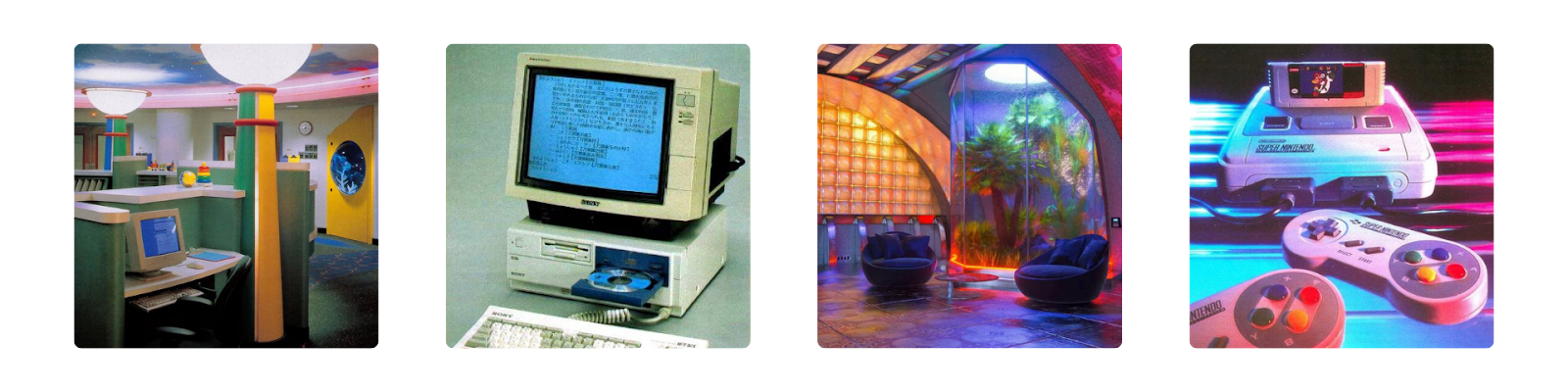
Technology is one of the most prominent. In cultures of the past—and with extremely few exceptions—technological innovations emerged across centuries or millennia; but, during the present, revolutionary technologies have surfaced and come into widespread use on a decadal or annual basis. The European Environment Agency, summarizing this shift, writes that,
Over the last 50 years the pace of innovation and technological change has accelerated consistently. The time needed for basic inventions to enter mass use has steadily decreased. Cycles of technology-induced societal and economic change are becoming faster. And cycles of innovation and technology change are very likely to accelerate further. The history of technological progress provides compelling evidence that change is not linear but exponential.3
Given this, it seems that not only is technological innovation itself accelerating, but every dimension of technological change: from the diffusion of these technologies throughout the consuming public to the societal changes entailed by this diffusion, as large institutions and infrastructures attempt to assimilate these new technologies on a broader scale. And this has not just happened steadily or gradually, but rather, convulsively, explosively, with disorienting rapidity. The following chart gives this fact visual weight:
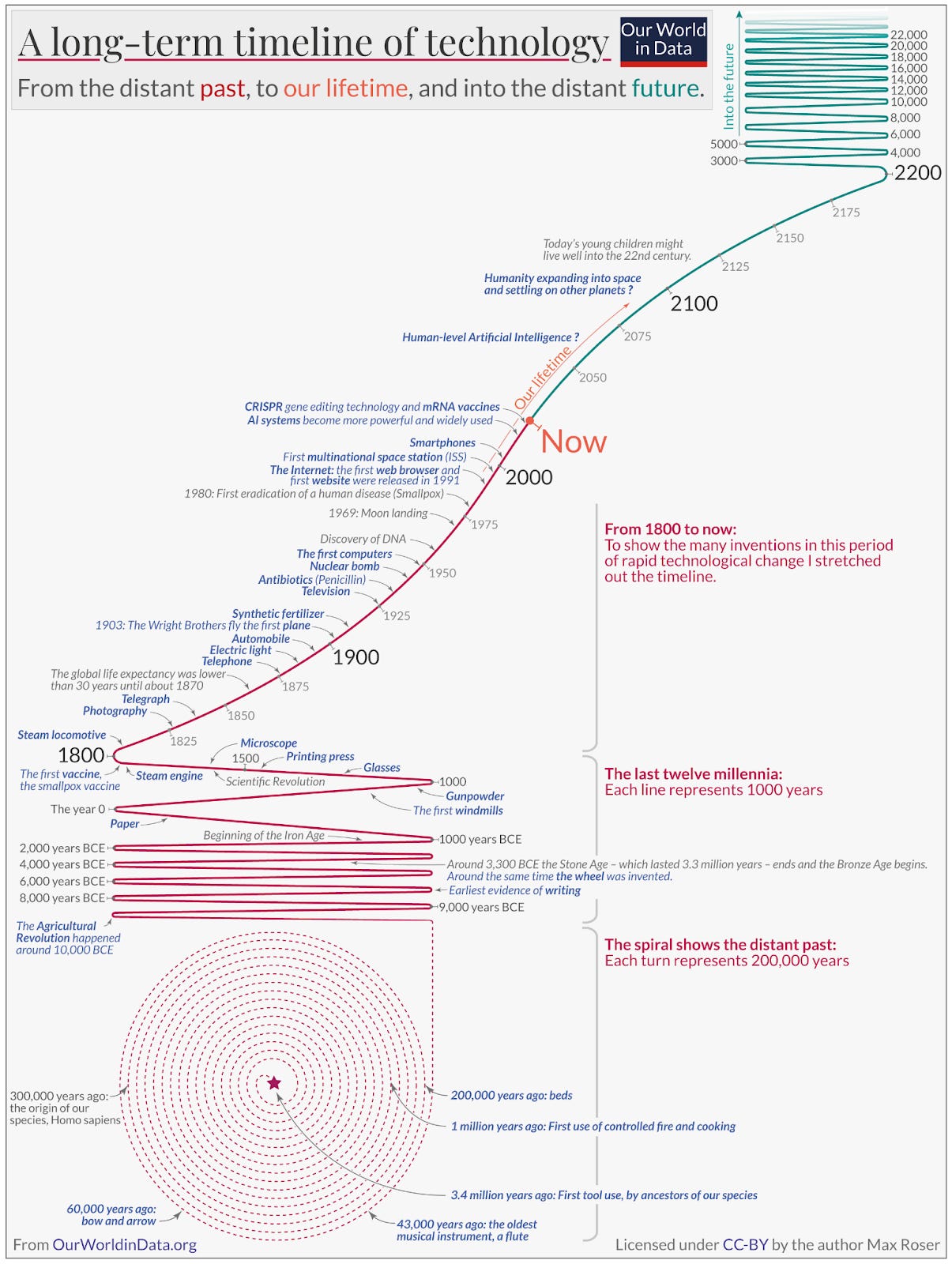
As this chart shows, there were significantly more technological advancements in the last two centuries than in the two millennia that preceded them. This isn’t to say, however, that these two millennia were technologically fallow. On the contrary, in comparison with the two decamillennia (10,000 years) that preceded them, they were a relative hotbed of innovation. The same is true as we proceed backward in human history: technological innovation occurred over larger and larger scales of time, spilling over into ages in which technological development either did not occur or occurred very rarely. Our theory, then, seems correct: technological innovation has been slowly increasing throughout human history, culminating in the current, unprecedented rate. As Max Rosen, the developer of the chart, writes, “The long-term perspective that this chart provides makes it clear just how unusually fast technological change is in our time.”4
And so, it appears that technological innovation has been experiencing an exponential boom since modern times. But, in addition to technology, there are other cultural facets that are accelerating.
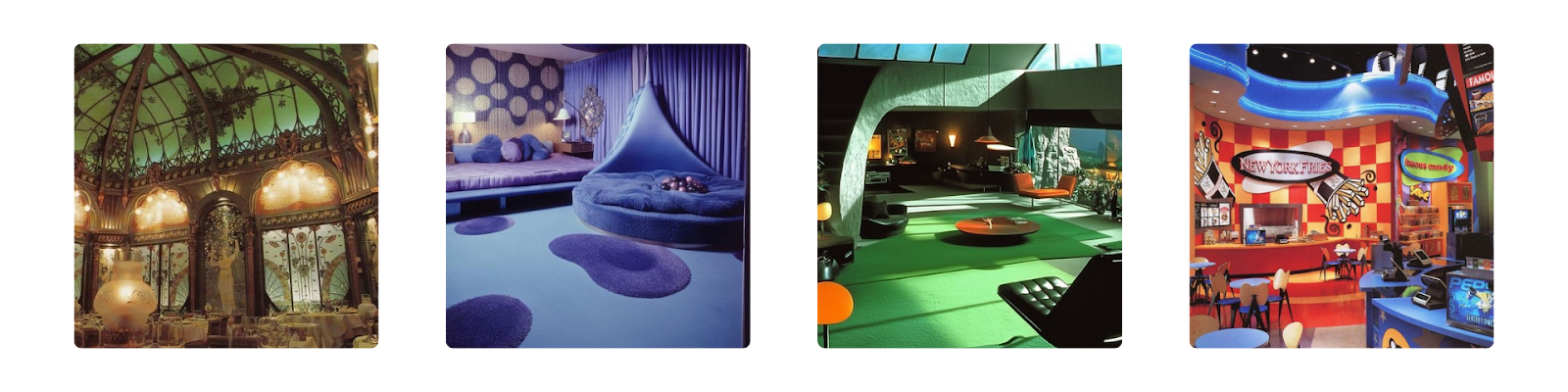
Design preferences, too, are shifting more rapidly than ever before. At one time in human history, these remained constant across centuries and millennia, but now, they rise and fall within the span of a single decade. Take, for example, the progression of architectural design styles in pre-industrial Europe—Romanesque, Gothic, and Baroque architecture commonly ceded their primacy only after generations of aesthetic dominance, and typically only in response to very slowly evolving religious and political conditions. But, since the industrial revolution, dominant design preferences have been steadily accelerating, culminating in the frenzied pace of modernity, one in which new dominant styles emerge and pass away with each decade. Mid-Century Modern, Brutalist, Postmodern, Deconstructivist, and Parametricist styles, for example, have all emerged in the last 70 years, whereas the same number of individual stylistic shifts would have occupied an entire millennium in pre-industrial Europe. Thus, in the modern age, buildings—both residential and commercial, public and private—are frequently constructed and remodeled over increasingly short periods of time to reflect exponentially erratic and unstable contemporary tastes.
It seems then that both technology and design styles have seen significant acceleration in the modern day, and if this rate of change is presumed to continue in its trajectory, it is likely to continue speeding up. But these are, by no means, the only facets of cultural acceleration. It can be witnessed in almost every dimension of modern culture: from the increased rate of information consumption to evolving cultural and social norms, from whirling environmental conditions to rapidly shifting geographic mobility. Given the fact that the cultures we inhabit are accelerating at an exponential rate, how does this affect our sense of the passage of time?
A Shift in the Experience of Time
Because our subjective sense of time largely depends not on any numerical method of measurement, but rather on an intuitive awareness of both physical changes to our environs and life-altering technological and social events, cultural acceleration implies that our experience of time is also accelerating. If a culture reshapes its social and physical environment slowly, methodically, over centuries or millennia, the people within that culture will likely experience the passage of time rather slowly. The past and present will paradoxically feel closer for people within that culture, because there is very little difference between life as it exists now and life as it existed then. In other words, time can be easily conflated. On the other hand, if a culture reshapes its environment quickly—over decades, single years, or individual months—people within that culture will likely experience the passage of time relatively rapidly. This will cause the distance between past and present to stretch and feel longer because there are significant differences that serve to separate them. Hartmut Rosa illustrates this paradox in the following way:
...when we have a really exciting day with a lot of powerful and memorable events and impressions, then time flies during the day, but when we look back, in the evening, it feels like it was a very long day. Conversely, when we have a totally boring day which we spend waiting in some meaningless waiting room, time goes by very slowly, but when we go to bed in the evening, it seems like we had a very short day, like we just got up. This is called the subjective paradox of time.5
Given that this is true individually, it must also be true societally (since what is society but a collection of individuals?). So, given that our cultures are accelerating and are, therefore, rapidly reshaping the environments in which we reside, our sense of the passage of time must also be accelerating.
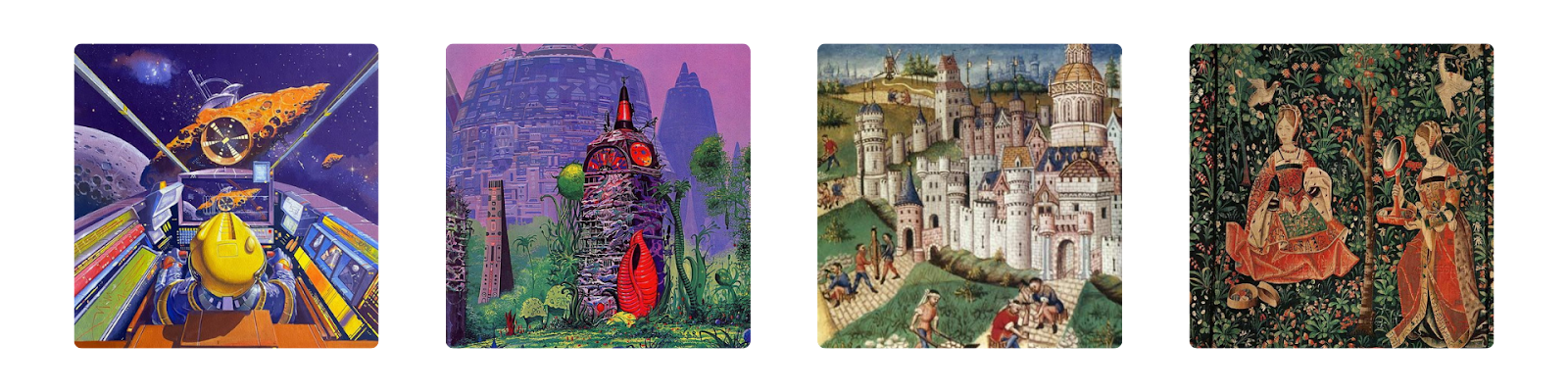
This entails that our relationship with the past is changing. Consider, for example, the relationship a medieval peasant must have had with his past. Because the pace of his life was set by fairly static religious and political institutions, alongside the repetitive, steady cycles of agricultural growth, his own past must have felt relatively close. After all, very few changes separate him from the world of his adolescence or childhood. On the other hand, a modern person’s pace of life is set by frantic technological innovation and pressurized cultural change: if they had been born just before the digital revolution, they would have seen the emergence of personal computers, the Internet, cellphones, social media, AI, high-speed rail, EV cars, changes in labor structures, social norms, architectural and graphic design styles, etc. all of which fundamentally change how they relate to the world they inhabit. For the modern person, then, this entails a fairly significant sense of “distance” from their own past, entailing a change in how they relate to it. Because their subjective experience of time has accelerated commensurate with cultural change, the past must feel increasingly distant and unreachable, disconnected from the present reality, and, in this way, increasingly unfamiliar. And this must be true not just of the past in general—of historical events that preceded their birth—but their own past, the bygone days they once inhabited. History has always, in the words of LP Hartley, been a “foreign country,” but now, with the acceleration of time, this foreign country has expanded its borders to include territories of the past that should be familiar to modern people: their own memories. How could it be otherwise? If 500 years of cultural change have been packed into 10 years of lived experience, a person reflecting over those 10 years will feel like they are reflecting over a veritable abyss of time. 20 years, at that proportional relationship, would feel like reflecting over a millennium. To reach their yesterdays, then, modern people must peer across an ever-widening, ever-eroding temporal canyon, and glimpse places, objects, and technologies that are irrevocably gone, eerily unfamiliar, and tragically lost.
Liminal Space
This leads us to the emergence of liminal space. Although any photographs of the past will necessarily remind us of the growing distance that separates us from the past, liminal space images highlight this distance more deliberately. Indeed, instead of drawing attention to the growing temporal distance accidentally or ambiguously (as is the case with general photographs of the past), the entire aesthetic seems to be intentionally cultivated to highlight our altered relationship with the past, the metastatic distance that now separates us from bygone years and decades. Liminal space communicates this in overt, undeniable terms.
But, how exactly do they do this?
Liminal Spaces and Darkness.
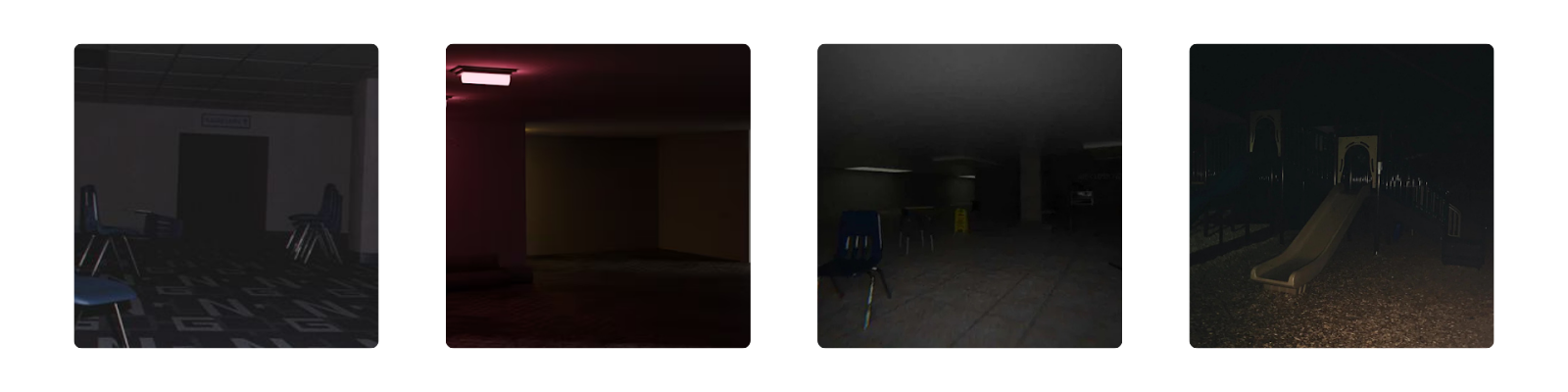
Commonly, liminal space images show past locations sunk in darkness, lit only by the photographer’s flash or dim overhead lights. Malls, conference rooms, and playground equipment, then, appear as if located inside black caves or underground bunkers. School hallways and bedrooms are likewise submerged in darkness. When viewing these images, we immediately feel—among other things—a sense of unease and foreboding. The psychological reasons for this are multifaceted, but can typically be boiled down to our evolutionary history as diurnal creatures, vulnerable to nocturnal predators. We are afraid of the dark because the dark has always, throughout our evolutionary history, signified danger. But beyond the mere sensory effect of the images, by pairing darkness with locations of the past, the images seem to communicate something beyond the prosaic fact that “the lights are off”: when presented in darkness, they appear not just abandoned, but utterly forsaken; not merely purgatorial, but completely lost; not merely distant, but unspeakably remote; not freshly dead, but irrevocably deceased and almost unrecognizably decayed. Physical darkness renders them cold and foreign. In this way, the darkness of liminal space images serves to highlight our exaggerated sense of distance and unfamiliarity with the places we are viewing. It forces us to confront the fact that, in modern times, our relationship to the past - even our past - has deteriorated.
This is not the only characteristic of liminal space images that does this.
Liminal Spaces and Empty Locations.
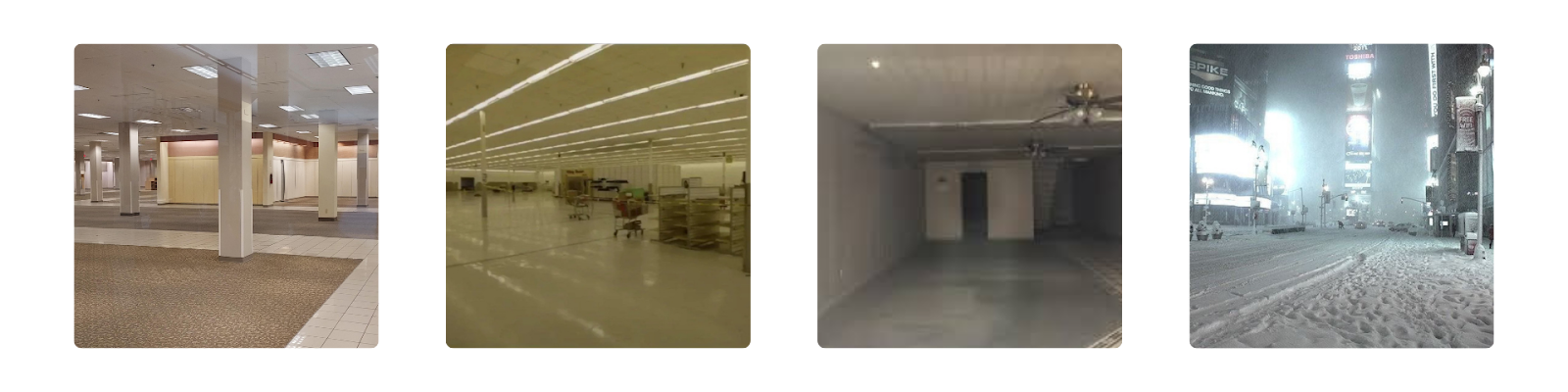
In every case, liminal space images are devoid of human life—they show empty malls and grocery stores, deserted bedrooms and living rooms, vacant neighborhoods and streets. In doing so, they bewilder and unsettle us. After all, when we experienced them earlier in life, they were ensouled by our families and friends; they were the locations of human connection and significance. But now, in liminal space images, we see them stripped of the people that once gave them life and meaning. And because they are not terribly distant from us according to any objective measurement of time, our emotional experience of them is exaggerated: they feel eerily distant, uncannily unfamiliar, and strangely dead. The images then serve to remind us both of the distance that now stands between us and our ever-receding yesterdays, and the unfamiliarity that this distance has bred. Our past is now abandoned, and therefore remote and strange; and this fact will only ever grow as we continue on into the future.
So, the darkness and emptiness of liminal spaces tells us that the vanished places of our past return to us, not to cheer or delight us, but to bear terrible news: that we have become tragically, irreparably alienated from our childhoods and adolescences. We have grown terribly unfamiliar, unspeakably distant from our own past. And if our past is an essential part of who we are, then, as culture accelerates, the oldest, deepest parts of us must be every day growing more unfamiliar, more forsaken, more deceased. If such an analysis is correct, we are—together with our memories—being consumed by a past that has become gluttonous, abandoned to our ever darkening fate by the modern cult of progress. We are every day witnessing the decay of more and more of the moments, places, and objects that make up our own histories and that compose our memories—those things by which we once understood and still understand ourselves. In this way, we suffer from a kind of rapidly progressing, culture-wide dementia—not one caused by any collective brain decay, but by cultural realities outside of our control. Liminal spaces seem to show us that, just like our own past, we too are unbecoming.
This cannot inspire us to hope. What can become of a society whose members are ever-rapidly abandoning their yesterdays in favor of a future that does not yet exist? What will happen to a people whose personalities, whose desires and hopes, and whose relationships were built by and for the circumstances of an unfamiliar past? By worshiping the future, have we not all become irrelevant to it? The fact is that, no matter how much we love the future, we are not of it, and we never can be. It is, after all, only a dream. And so, by generating the cultural conditions for the alienation of the past and the collapsing of the present, while simultaneously attempting to anchor ourselves in the future, we remove ourselves from time as it actually exists. We enter a nether-world that is not past, present, or future. We have, then, no place in time’s continuum, and must slip into an Interstitial Nowhere. What could we expect to happen? We are now too distant to be nurtured by the past, too heavy to be held by the present, and too near to find the future anything but a source of chaotic maternity. We must fall beyond time. We must unbecome.
Conclusion
In this essay, we discussed the sociological reasons for the emergence of liminal space, attributing it to our deteriorating relationship to the past. In addition to the social and cultural conditions that generated liminal space, we discussed the specific ways that liminal space highlights this deteriorated relationship: by presenting the past as something dark and empty rather than illuminated and warmly human. Because cultural acceleration is likely only to continue, we can expect liminal space to grow both in its relevance (as an increasingly compelling window into the past) and in its eeriness and unfamiliarity. Ultimately, we will see how the aesthetic evolves as we plunge into the future.
In the end, liminal space reminds us of how distant our own past has become from our current reality; how unfamiliar the familiar has become; how decayed the once “living” locations of the past have grown in our absence. In former times, the past was full of comforting memories and nostalgic sadness, but now, as we cling to “future progress,” we have reached such temporal heights that the past appears eerily dark and terribly foreign. In the modern age, the future alone is real. The future alone is alive. So, we have traded eons of the past, millennia of human history, decades of our own past, to ascend to that infinitesimal edge on which the present borders the future. We now cling to it rapaciously, hoping beyond hope that it will save us from the past. But as this edge grows slimmer and slimmer with the acceleration of time, and the past in all its unfamiliar horror looms larger and larger beneath us, we find that we have created a terrifying and treacherous situation. Someday, that small edge of the future will be too thin to grasp. When that happens, and we fall into the very past that we condemned, what will become of us?
Wiki, Contributors to Aesthetics. n.d. “Liminal Space.” Aesthetics Wiki. https://aesthetics.fandom.com/wiki/Liminal_Space.
Rosa, H. (2013). Social acceleration. In Columbia University Press eBooks. https://doi.org/10.7312/rosa14834
Kurzweil, R., Kegley and Raymond, WIPO, OECD, Kurzwell, UBA, Nightingale, P., Subramanian, A., & Silberglit, M. (2010). Accelerating technological change. European Environmental Agency.
Roser, Max. 2024. “Technology Over the Long Run: Zoom Out to See How Dramatically the World Can Change Within a Lifetime.” Our World in Data. January 8, 2024. https://ourworldindata.org/technology-long-run.
Davidson, Miri. 2015. “Social Acceleration and the Need for Speed.” Verso. July 30, 2015. https://www.versobooks.com/blogs/news/2158-social-acceleration-and-the-need-for-speed?srsltid=AfmBOopuyocTj3LBwAgj97qmRptwTjpIXpNp-mNs_B0ogYzTUrhlSHWZ.